Distressed Asphalt: The Typeface Built for Urban Grit
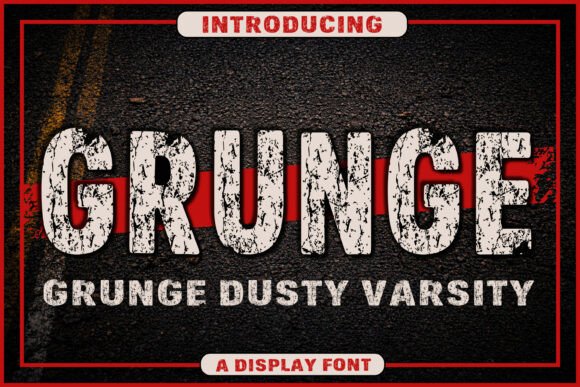
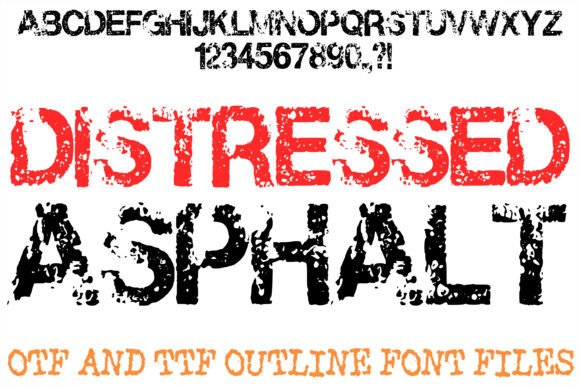
There’s a particular kind of authenticity you see on the streets. It’s in the faded white line splitting a lane, the stenciled number on a warehouse door, or the weathered warning sign that’s seen a thousand rainy days. This isn’t the clean, sterile perfection of a digital font; it’s typography that has lived. The Distressed Asphalt typeface is a direct homage to that raw, weathered energy. It’s a rugged, industrial display font where every character feels like it was pulled from the road itself, complete with the gritty texture of embedded gravel and the heavy erosion of sun-baked paint. For designers, it’s more than a tool—it’s a shortcut to instant credibility and a grounded, "built-to-last" aesthetic.
The Personality Behind the Texture
What makes Distressed Asphalt so compelling is its unapologetic imperfection. This isn’t a font that tries to hide its age; it celebrates it. The visual characteristics are immediately striking: the letterforms are robust and blocky, but their edges are chipped and worn. You can almost feel the rough surface of the asphalt aggregate beneath the paint. This gives the typeface a powerful, tactile quality that clean, modern fonts simply can’t replicate. Its personality is one of resilience, honesty, and industrial strength. It speaks of hard work, established presence, and a no-nonsense attitude.
This style finds its sweet spot in projects where authenticity is non-negotiable. Think of a logo design for a construction company, a craft brewery, or a custom motorcycle shop. The font immediately communicates the core values of those brands without a single word of explanation. It’s equally at home in editorial design for magazine features on urban exploration or architecture, or on packaging design for products that want to emphasize their rugged, handmade origins. The appeal is visceral; it connects with an audience that values substance over superficial polish.
Where This Font Truly Shines
Understanding where to deploy Distressed Asphalt is key to leveraging its full power. As a display font, its primary role is to grab attention and set a mood for headlines, titles, and short bursts of text. It’s not meant for body copy—its detailed texture is best appreciated at larger sizes where the intricate details become part of the design narrative.
- Brand Identity & Logo Design: For brands in construction, heavy machinery, automotive, outdoor gear, or urban streetwear, this font becomes a cornerstone of visual identity. It builds immediate recognition and conveys a sense of durability.
- Digital & Web Design: Use it for hero section headlines, banner graphics, and call-to-action buttons on websites that need an edge. It adds immense character to social media graphics, especially for posts related to industrial themes, fitness, or street culture.
- Print & Signage: It’s a natural fit for construction signage, event posters, and apparel branding. The texture ensures it holds up visually even when printed on textured materials.
- Apparel & Merchandise: This is where the font excels. Think t-shirt graphics, hat embroidery, and tote bag prints. It gives merchandise an authentic, artisan feel that resonates with consumers looking for unique, statement pieces.
Making It Work: Practical Design Guidance
Choosing the right creative font is only half the battle. Integrating it effectively into your project is where skill comes in. First, always consider your font pairing. Distressed Asphalt has a very strong voice, so it needs a partner that can balance it. Pair it with a clean, simple sans serif font for body text or supporting information. A minimalist geometric sans serif creates a nice contrast, allowing the display font to command attention without overwhelming the entire design. Avoid pairing it with other highly decorative or script fonts, as the visual noise will clash.
Readability is a critical consideration. While the font is designed for impact, ensure that any text set in it—especially at smaller sizes—is legible. Test it on different backgrounds; a dark, textured background might require a lighter version of the font or a subtle drop shadow to maintain clarity. When evaluating if it’s the right fit for a project, ask yourself: does the brand or message benefit from a rugged, historical, or industrial tone? If the answer is yes, you’ve likely found a match.
Finally, always check the licensing. Most premium fonts like this come with specific commercial font licenses that outline permitted uses, from digital ads to physical merchandise. Ensure your license covers all intended applications to avoid legal issues down the line. Review the full character set and any included styles (like italic or bold versions) to ensure it meets all your typographic needs.
Beyond the Surface: Strategic Impact
The true value of a typeface like Distressed Asphalt extends far beyond its visual texture. It influences how your audience perceives and engages with your work. In brand identity, it fosters a sense of trust and heritage—qualities that are hard to manufacture with a generic font. For marketing materials, it can stop a scrolling thumb on social media because it breaks the pattern of sleek, digital perfection. In publishing, it can set the tone for a book cover or a magazine spread, immediately signaling genre and mood.
This font is a powerful design asset that, when used thoughtfully, elevates a project from merely looking good to feeling right. It’s a testament to the idea that modern typography isn’t just about clean lines and scalability; it’s also about character, story, and emotional resonance. Whether you’re a small business owner crafting your first logo, a designer building a brand world, or a creator looking for that perfect grunge element, Distressed Asphalt offers a direct line to the authentic, textured world of the streets. It doesn’t just display words; it imbues them with history.