Tippy Tappy Type: A Font Born from a Typewriter Habit
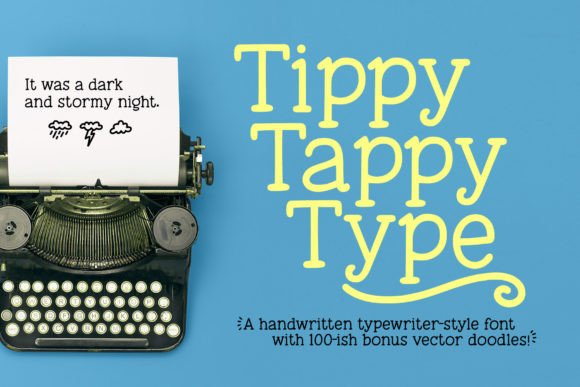
There’s a certain charm to the way we all interact with our devices, a personal quirk that becomes second nature. For me, typing on a phone is a deliberate, two-index-finger affair—a method affectionately dubbed "tippy tappy typing" in my house. It’s a tactile, slightly old-school approach that prioritizes accuracy over speed. This very personal habit became the inspiration for a typeface that feels both nostalgic and fresh: Tippy Tappy Type. It’s a premium font that captures the essence of those deliberate keystrokes, designed to feel like it was typed out with care on a vintage machine, then polished for modern use.
Visually, Tippy Tappy Type sits comfortably in the serif font family, but with a distinct personality. It carries the sturdy, reliable structure of a classic typewriter serif, giving it an immediate sense of authenticity and warmth. The letterforms have a slightly uneven, hand-drawn quality that prevents them from feeling sterile or overly digital. This isn't a font that mimics a perfect, clean typewriter; it embraces the subtle imperfections and the character of real ink on paper. Its style is approachable, nostalgic, and full of personality, making it an excellent creative font for projects that need to feel human and relatable. It’s the kind of typeface that tells a story before you even read the words.
Where This Typewriter-Inspired Font Truly Shines
The real-world applications for a font like Tippy Tappy Type are surprisingly versatile. Its strength lies in projects where you want to inject personality and a touch of retro flair without sacrificing readability. In brand identity, it’s perfect for businesses that want to convey craftsmanship, indie spirit, or a down-to-earth vibe. Think of a local coffee roaster’s packaging, a boutique stationery brand’s logo, or the header graphics for a lifestyle blog. It instantly sets a tone that’s more personal than a standard sans serif font.
For editorial design and publishing, this typeface excels as a display font. Use it for chapter titles, pull quotes, or subheadings in a magazine to create visual interest and break up blocks of text. In web design, it can be a striking choice for hero section headings or featured post titles, drawing the eye and establishing a unique aesthetic. Similarly, for social media graphics, it helps posts stand out in a feed with its distinctive, textural quality, making announcements, quotes, or calls-to-action more memorable.
Beyond commercial use, it’s a fantastic asset for crafters and hobbyists. Its hand-drawn nature and the included bonus vector doodles make it ideal for designing custom invitations, greeting cards, scrapbooking elements, or printable wall art. The fact that it was drawn by hand and cleaned up for cutting ensures it works beautifully with cutting machines like Cricut or Silhouette, making the jump from digital design to physical project seamless.
Using Tippy Tappy Type Effectively in Your Projects
Choosing the right font is only half the battle; using it well is what makes a design professional. Because Tippy Tappy Type is a display font with strong character, it’s generally best suited for headlines, titles, and short bursts of text rather than long paragraphs. Pairing it with a clean, neutral sans serif font for body copy is a reliable strategy. This creates a clear visual hierarchy, where the typewriter font adds flair and the sans serif ensures effortless reading. For example, pairing it with a font like Open Sans or Lato allows Tippy Tappy Type’s personality to shine without overwhelming the viewer.
It’s also important to consider readability in context. While the font is clear, its textured style means it performs best at larger sizes. Test it at the size you intend to use—what looks great as a 72-point headline might lose clarity at 12 points for a caption. The included file formats (OTF, TTF, and WOFF) give you flexibility across print and digital projects. The extensive character set, with over 300 extended Latin characters, means you can confidently use it for projects targeting Western and some Eastern European audiences, ensuring proper diacritics are supported.
One of the most practical aspects of this font package is the inclusion of approximately 100 bonus vector doodles. These aren’t just afterthoughts; they’re carefully crafted design assets. The doodles, shapes, squiggles, swirls, and arrows can be used to accentuate typography, create custom borders, or add hand-drawn elements to your layouts. The catchwords "and" and "the" are particularly useful for creating authentic-looking typographic compositions. Provided in SVG and EPS formats, they are easily editable and scalable, integrating seamlessly into your workflow in programs like Adobe Illustrator or Affinity Designer.
Finally, when evaluating a commercial font like this, always review the licensing to ensure it fits your project’s scope. Tippy Tappy Type is designed for both personal and commercial use, offering a professional toolset for entrepreneurs and creators. By understanding its strengths—its nostalgic charm, versatile application, and thoughtful extras—you can make an informed choice. It’s more than just a typeface; it’s a toolkit for adding a distinct, human touch to your creative work, one deliberate, tippy-tappy keystroke at a time.