Spirit Font: A Refined Script for Elegant Design
There’s a certain quality in typography that does more than just display words—it conveys feeling. When a project calls for a touch of personal elegance, a sense of handcrafted care, or a whisper of sophistication, the choice of typeface becomes critical. This is where a premium script font like Spirit enters the conversation. It’s not just another decorative option; it’s a tool designed to inject personality and refinement directly into your work. Think of it as the difference between a generic greeting card and one that feels like it was written just for you. Spirit captures that intimate, polished aesthetic, making it a valuable asset for anyone looking to elevate their creative output.
The Visual Personality of Spirit
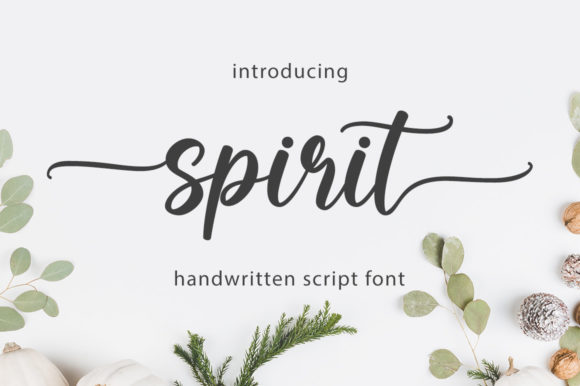
At its core, Spirit is a delicate, refined script font. Its character stems from fluid, connected letterforms that mimic the natural flow of elegant handwriting. The strokes are consistent and graceful, avoiding overly dramatic flourishes that can sometimes hinder legibility. This gives it a balanced personality: it feels personal and artistic, yet remains clear and composed. The overall appeal is one of understated luxury. It doesn’t shout for attention; it confidently suggests quality and taste. For designers, this means Spirit can serve as a powerful display font for headlines or logos without overwhelming the accompanying text. Its sophistication makes it a natural fit for projects where first impressions and brand perception are paramount.
Where Spirit Truly Shines: Practical Applications
Understanding a font’s strengths is key to using it effectively. Spirit’s stylish alternates and ligatures are its secret weapons, allowing for customized typographic compositions that feel unique. Because it is PUA encoded, accessing every glyph and swash is straightforward, eliminating technical barriers for creators. Let’s explore where this creative font finds its best applications.
In brand identity and logo design, Spirit excels for businesses that want to project elegance, creativity, and a human touch. Imagine it for a boutique florist, a high-end bakery, a wedding planner, or a luxury skincare brand. The script style immediately communicates care, artistry, and premium quality. It pairs exceptionally well with a clean sans serif font for body text, creating a compelling font pairing that balances personality with readability.
For editorial design and publishing, Spirit can transform a layout. Use it for chapter titles in a book, pull quotes in a magazine, or elegant headers in a blog. It adds a layer of visual interest that draws the reader in. In packaging design, the font can make product labels stand out on a shelf, especially for artisanal goods, gourmet foods, or cosmetic products where the packaging is part of the experience.
Digital applications are equally strong. Spirit works beautifully for social media graphics—think Instagram quotes, Pinterest pins, or Facebook event announcements. Its inherent style helps content stop the endless scroll. For web design, it’s best used sparingly but strategically for hero text, special announcements, or navigation elements on creative portfolios. The key is to ensure sufficient contrast and size for screen legibility.
On a personal level, Spirit is a fantastic resource for crafters and hobbyists. It’s perfect for creating custom wedding invitations, place cards, holiday cards, or personalized gifts. Its elegance adds a professional touch to DIY projects. For small business owners, using Spirit in marketing materials, business cards, or signage can help build a cohesive and recognizable brand identity that feels both professional and approachable.
Making Spirit Work for You: A Practical Guide
Choosing a premium font like Spirit is an investment. To ensure it delivers value, consider these practical steps. First, always evaluate the project fit. Spirit’s delicate nature may not suit heavy, industrial, or highly technical themes. It thrives in contexts related to beauty, lifestyle, creativity, and personal services. Before committing, test it with your actual content. Does the word “luxury” in Spirit look as good as the word “create”? Check how the ligatures and alternates interact with your specific letter combinations.
Next, explore the full range of the typeface. A quality script font often includes multiple stylistic sets. Spirit’s alternates allow you to change the look of specific letters, giving you creative control to avoid repetitive shapes in a headline. This feature is crucial for achieving a truly custom feel. When pairing, contrast is your friend. Combine Spirit with a neutral serif font for a classic, timeless look, or with a geometric sans serif font for a more modern, balanced composition. Avoid pairing it with another ornate or handwritten font, as this creates visual clutter.
Readability must always be a priority, especially in web design and packaging design where information must be communicated quickly. Use Spirit for short bursts of text—headlines, logos, subheadings—not for long paragraphs. Ensure the font size is large enough and the color contrast against the background is sufficient. Finally, verify the licensing. Since Spirit is intended for both personal and commercial use, confirm that the license covers your specific application, whether it’s for a client’s logo, a product sold online, or a printed publication. This due diligence protects your work and respects the type designer’s craft.
In the landscape of modern typography, having a versatile and well-crafted script font in your toolkit is a strategic advantage. Spirit offers a blend of aesthetic appeal and practical functionality, making it more than just a design asset—it’s a bridge to more engaging, professional, and emotionally resonant communication. By understanding its personality and applying it thoughtfully, you can leverage Spirit to enhance visual hierarchy, strengthen brand recognition, and connect with your audience on a more refined level.