Pastel: Where Spooky Meets Sweet in Modern Typography
In the vast world of modern typography, finding a creative font that balances thematic intensity with visual softness is rare. Enter Pastel, a premium font that redefines the Halloween aesthetic. It isn't just another seasonal typeface; it is a display font designed for the "pastel goth" niche—a subculture that blends macabre themes with soft, candy-colored palettes. For designers and creators, Pastel offers a unique tool to bridge the gap between edgy and approachable, making it an essential design asset for projects that need to stand out without screaming.
The Visual Anatomy of a Spooky-Cute Typeface
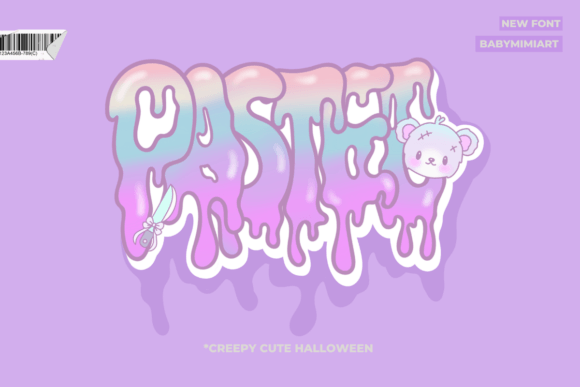
Pastel’s primary visual hook is its "dripping" effect, a stylistic choice usually associated with horror movie titles or heavy metal logos. However, Pastel subverts this expectation. The font’s letterforms feature soft, rounded terminals and a consistent stroke width that feels friendly rather than frightening. The "drips" are stylized and fluid, mimicking melted icing or slime, depending on the color application.
What makes this typeface particularly versatile is its color dependency. When rendered in neon greens or blood reds, it leans into traditional spooky territory. But when applied using soft lilacs, mint greens, or baby pinks—the signature colors of the pastel goth movement—it transforms into something whimsical and trendy. This adaptability makes it a powerful tool for brand identity, allowing businesses to tap into seasonal trends while maintaining a distinct, non-threatening personality.
Practical Applications: From Digital Screens to Physical Products
Understanding where to deploy a creative font like Pastel is key to maximizing its impact. Because it is a display font, it is not intended for long-form body copy. Instead, it excels in high-visibility areas where personality needs to shine through instantly.
- Social Media Graphics: In the fast-scrolling environment of Instagram or TikTok, Pastel grabs attention. It is ideal for story backgrounds, sale announcements, and event headers, particularly for lifestyle influencers or brands targeting a Gen Z and Millennial audience.
- Event Stationery: The font shines in packaging design and print materials. Think Halloween party invitations, "Trick or Treat" tote bags, or themed bakery boxes. Its playful nature makes it perfect for children's events or adult costume parties with a retro vibe.
- Logo Design: For niche businesses—such as a goth-themed bakery, a cosmetics brand specializing in colorful eyeshadows, or a vintage candy shop—Pastel can serve as the cornerstone of a logo design. It immediately communicates the brand's tone without needing a tagline.
- Web Design: While you wouldn't use it for navigation menus, Pastel works beautifully for hero sections or 404 error pages during seasonal site updates, adding a touch of personality to the user experience.
Strategic Typography: Pairing and Hierarchy
Using a stylized font like Pastel requires a strategic approach to font pairing. Because the font has such a distinct personality, pairing it with another strong character—like a heavy script font or a quirky handwritten font—can result in visual chaos. The goal is to let the dripping effect of Pastel be the star of the show.
The most effective strategy is to pair Pastel with a clean, neutral sans serif font or a traditional serif font. A geometric sans serif provides a modern, stark contrast that grounds the whimsy of the drips. Conversely, a classic serif can add a touch of elegance, bridging the gap between "cute" and "sophisticated." For example, using Pastel for a main headline and a clean sans serif for the sub-header creates a clear visual hierarchy, ensuring the message is readable while retaining the desired mood.
Readability and Technical Considerations
As a premium font, Pastel is crafted with vector precision, but its stylistic elements require careful handling. The dripping extensions on the letters can impact legibility if the text size is too small. This is why it is strictly a headline or display typeface.
When using Pastel in web design, ensure the font size is large enough for the drip details to render clearly on mobile devices. If the text becomes too small, the "drips" may blur together, turning a stylistic feature into a visual hindrance. Additionally, consider letter-spacing (tracking). Because the drips add visual weight to the bottom of the letters, adding a slight increase in tracking can help maintain readability, preventing the characters from crashing into one another.
Choosing the Right License and Style
For entrepreneurs and content creators, the technical logistics of a font are just as important as the aesthetics. When acquiring Pastel, it is crucial to understand the commercial font licensing. Whether you are a small business owner creating merchandise or a designer working for a client, verifying that the license covers your specific usage (print, digital, merchandise) is a professional necessity.
Furthermore, check the included styles. A robust version of Pastel might include alternates, ligatures, or multiple weights. These features are not just decorative; they are functional tools that allow you to customize the letterforms to better fit your design assets. For instance, accessing a specific alternate glyph can prevent two identical "drips" from sitting next to each other, creating a more organic, hand-lettered feel.
Ultimately, Pastel is more than just a seasonal novelty. It represents a broader trend in modern typography where boundaries are blurred. It allows graphic designers and marketers to tell a story that is complex—simultaneously dark and light, scary and sweet. By integrating Pastel into your toolkit, you gain the ability to inject a specific, high-impact emotional resonance into your projects, ensuring your brand identity