Antique Vintage: A Bold Brush Script for Authentic Branding
Understanding the Character of This Creative Font
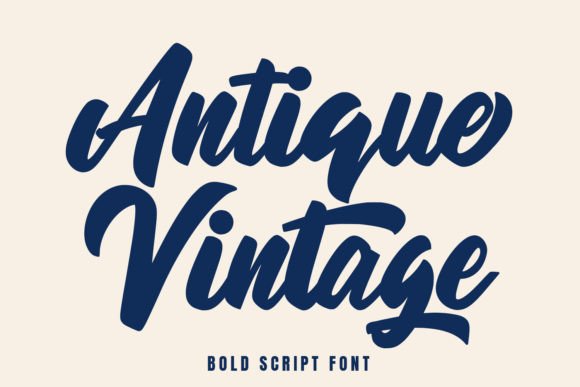
When you need a typeface that communicates warmth, authenticity, and a touch of handcrafted personality, a brush script font often rises to the top of the list. Antique Vintage is a specific premium font that exemplifies this category with a distinct, impactful presence. It’s not a delicate, spidery script. Instead, it features thick, prominent strokes that give each letter substantial weight and visual impact. The letters are meticulously interconnected, creating a seamless, flowing look that mimics the natural rhythm of handwriting. This isn't a font that whispers; it makes a confident statement. Its overall appeal lies in this combination of boldness and organic fluidity, making it a versatile creative font for projects that need to feel personal yet professional.
The personality of Antique Vintage leans into a nostalgic, retro aesthetic without feeling dated. Think of the lettering on a vintage shop sign, a classic barbershop logo, or the title of a cherished family recipe book. It carries a sense of history and craftsmanship. The thick strokes ensure it remains readable at larger sizes, which is crucial for its primary role as a display font. This typeface is designed to be the headline, the logo, the focal point that draws the eye and sets the emotional tone for everything else in the design. Its style is inherently expressive, making it an excellent choice for projects where conveying a specific mood—whether rustic, celebratory, or elegantly casual—is more important than neutral readability.
Where Antique Vintage Truly Shines
Knowing where to deploy a font like Antique Vintage is key to leveraging its strengths. Its bold, script nature means it excels in contexts where you want to capture attention and convey personality quickly. In logo design, it can be transformative for brands in the food and beverage, artisanal goods, boutique retail, or wedding planning industries. A bakery logo set in this font immediately suggests homemade goodness, while a craft brewery logo gains an authentic, heritage feel. For packaging design, it’s perfect for product names or taglines on labels, especially for products that emphasize tradition, quality ingredients, or a personal touch.
Beyond physical products, Antique Vintage has a strong place in editorial design and publishing. Use it for chapter titles in a cookbook, the masthead of a lifestyle magazine, or the cover of a memoir. It adds a layer of tactile authenticity to printed materials. In the digital realm, it can make social media graphics and web design headers pop. Imagine a Instagram post announcing a new product launch or a blog header for a travel journal—the font adds instant visual interest and a human touch that stands out in a feed of clean sans serif fonts. However, it’s vital to use it judiciously online. Its intricate connections can become a blur of pixels at very small sizes, so reserve it for headlines, pull quotes, or hero images, not for body text.
For brand identity systems, consistency is everything. Using Antique Vintage as the primary logo font and then echoing its style in select marketing materials—like invitation cards, thank-you notes, or signage—creates a cohesive and memorable brand world. It’s a powerful tool for entrepreneurs and small business owners looking to differentiate themselves from competitors using standard corporate fonts. Content creators and bloggers can use it to brand their digital presence, making their headers, YouTube thumbnails, or podcast cover art instantly recognizable. Even crafters and hobbyists find it invaluable for personal projects like custom wedding invitations, event banners, or handmade gift tags.
Practical Guidance for Using This Display Font
Integrating a strong display font like Antique Vintage into your projects requires some strategic thinking. First, always evaluate the project fit. Is the project’s goal to feel approachable, nostalgic, and human? If you’re designing a legal document, a technical manual, or a corporate annual report, this font is likely the wrong choice. Its strength is its personality, which can conflict with contexts demanding neutrality and extreme clarity. For projects like branding a vintage café, creating a festival poster, or designing a holiday card, it’s an excellent candidate.
Next, consider font pairing. A bold script rarely works well alone for all text. The most effective strategy is to pair it with a clean, neutral companion. A simple sans serif font for body text or subheadings provides a perfect counterbalance, ensuring overall readability while letting the script command attention. A classic serif font can also work for a more traditional, elegant feel. Always test your pairings. Create a sample layout with your headline in Antique Vintage and your body copy in a prospective partner font. Check the contrast in weight, style, and x-height. The goal is harmony, not competition.
Before purchasing, review the included styles of the premium font package. Does it come with alternates, swashes, or additional glyphs? These extras can be invaluable for customizing the look and avoiding repetitive letter shapes, which enhances the authentic, handwritten feel. Also, scrutinize the licensing terms. If you plan to use the font for commercial projects—like client logos, merchandise, or published materials—you must ensure you have the appropriate commercial license. Most reputable font foundries offer clear licensing options for desktop, web, and app use.
Finally, test for readability in your specific context. Print out a sample at the intended size. View it on different screens. Ask someone else to read it from a distance. The interconnected letters of Antique Vintage are designed for flow, but in certain color combinations or at very small sizes, legibility can suffer. Adjusting size, color contrast, and spacing (kerning) can often solve these issues. This font is a powerful design asset, but like any tool, its effectiveness depends on the skill and consideration of the designer wielding it. When used thoughtfully, it doesn’t just present words—it tells a story.
Antique Vintage: Crafting Authenticity with a Bold Script Font
There’s a distinct power in typography that feels human. In a digital landscape often dominated by geometric sans serifs and predictable serifs, a font that carries the mark of a hand holds a special kind of magnetism. Antique Vintage is one such creative font. It’s a brush script font defined by its thick, confident strokes and the fluid connection between its letters. This isn’t a timid or overly flourished script; it’s bold, impactful, and carries an inherent warmth that can transform a design from merely functional to genuinely felt. Its character lies in this balance—it’s expressive enough to feel personal, yet structured enough to maintain clarity in its intended roles.
The visual personality of this typeface is rooted in a sense of craftsmanship and nostalgic appeal. The prominent strokes give it a substantial presence, making it an excellent display font for headlines and logos. The interconnected, flowing letters create a rhythm that feels both spontaneous and carefully composed, a hallmark of skilled hand-lettering. This style leans into a retro or vintage aesthetic, but it does so without feeling clichéd. Instead, it evokes authenticity, tradition, and a touch of artisanal care. It’s the kind of font you might see on a craft coffee bag, a boutique clothing tag, or the sign of a family-run restaurant, instantly communicating a story of quality and personality.
Strategic Applications: Where This Typeface Makes an Impact
Understanding where Antique Vintage works best is about matching its strengths to a project’s goals. Its primary domain is any context where you need to capture attention and convey a specific, human-centric mood. In logo design, it’s a powerful tool for brands that want to stand apart from corporate sterility. Think of a craft brewery, a vintage clothing shop, a bakery specializing in homemade goods, or a wedding planner with a romantic aesthetic. The font does much of the emotional heavy lifting, embedding the brand’s personality directly into its visual mark.
For packaging design, this script font can be the hero element. Used for a product name or a key descriptor on a label, it adds a layer of tactile authenticity that suggests care and tradition. It’s equally effective in editorial design for book covers, magazine feature titles, or cookbook chapter headings, where it can break up the monotony of standard text fonts and add visual interest. In the realm of web design and social media graphics, it serves a crucial role in creating scroll-stopping headers, hero image text, or promotional banners. Its bold nature ensures it remains legible even as a static image in a fast-moving feed.
However, its application requires discernment. This is not a font for body copy or lengthy paragraphs. Its intricate connections and thick strokes make it unsuitable for small sizes or dense blocks of text, where readability would plummet. Instead, it’s a specialist. Use it for the headline, the logo, the pull quote, the call-to-action button text—anywhere you need a concentrated dose of personality. Paired correctly, it becomes the cornerstone of a compelling brand identity, ensuring recognition and creating an emotional connection with the audience.
Integrating Antique Vintage: A Practical Guide
Adopting a strong display font like this requires a thoughtful approach to ensure it enhances rather than overwhelms a project. The first step is always evaluating the project fit. Does the project’s brief call for warmth, tradition, or a handcrafted feel? If the answer is yes, and the context allows for expressive typography, it’s a candidate. If the project demands neutral, ultra-clean, or highly technical communication, it’s likely the wrong tool.
Next, mastering font pairing is essential. The most effective combinations often involve contrast. A clean, geometric sans serif font for body text or subheadings provides a modern counterbalance, ensuring overall readability while letting the script shine. A classic serif font can also work for a more cohesive, traditional look. The key is to test pairings visually. Create a sample layout with your headline in Antique Vintage and your body copy in a potential partner. Check for harmony in weight, style, and spacing. The script should lead; its partner should support without competing.
Before finalizing a purchase, review the font package thoroughly. A quality premium font often includes valuable extras: alternate characters, stylistic swashes, or additional glyphs. These allow for customization, helping you avoid repetitive letter shapes and enhancing the authentic, handwritten feel. Equally critical is understanding the commercial licensing. If you’re a designer creating work for a client, a business owner using it on merchandise, or a publisher incorporating it into a book, you must have the correct license. Always verify the terms for desktop, web, and any other intended use.
Finally, conduct real-world readability testing. Print a sample at the size you intend to use. View it on multiple screens. Show it to someone unfamiliar with the project and ask them to read it quickly. The flowing connections of Antique Vintage are part of its charm, but in certain contexts—like low-contrast color schemes or very small sizes—they can hinder comprehension. Adjusting the scale, increasing color contrast, or tweaking the letter spacing can often resolve these issues. This font is a potent design asset, but its success hinges on thoughtful application. When used with intention, it does more than display words; it builds a world, tells a story, and makes a brand feel unmistakably real.